COACHING / NEW YORK CITY · 5 min read
Your first one-on-one cycling coaching session in NYC
What to bring, what happens on the bike, and how to know whether a first coaching session is right for you.
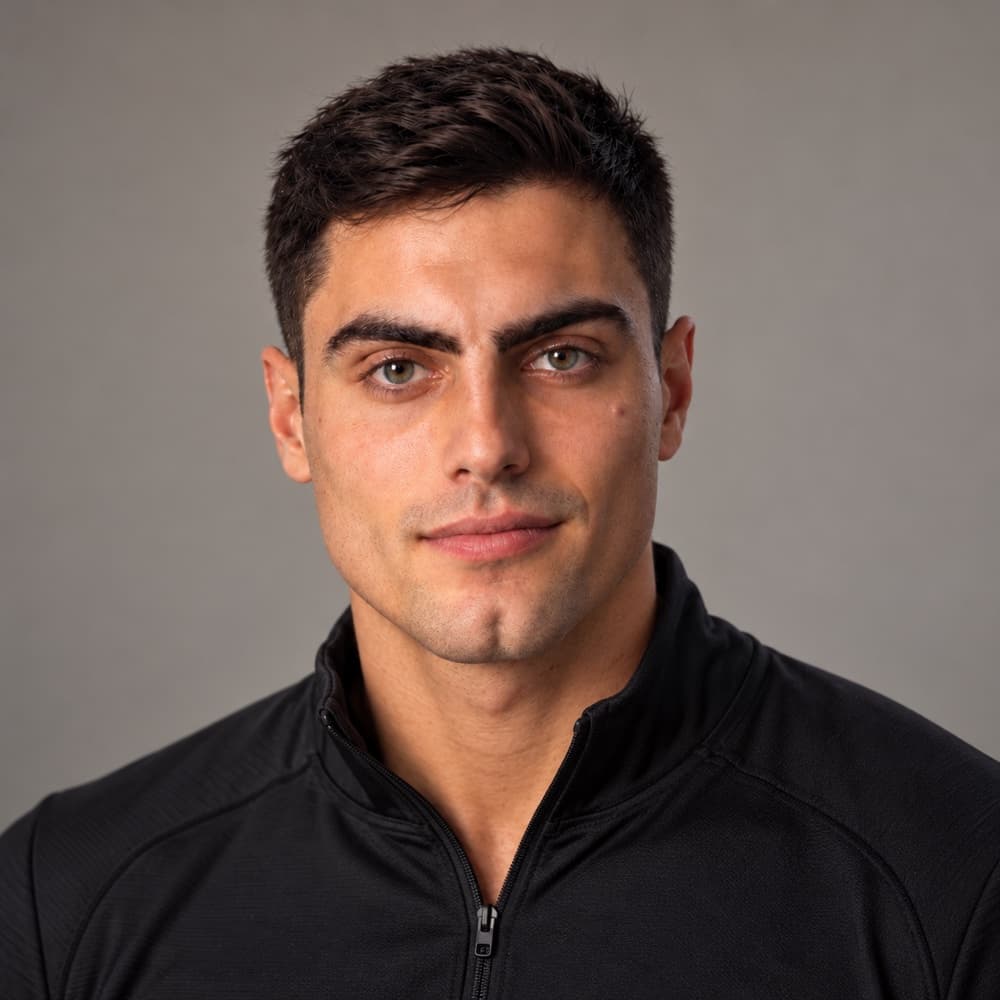
Thinking about getting coaching but unsure what a first session actually looks like? You do not need a particular FTP, race result, bike or Strava following to start working on technique and confidence.
A useful first session should help you identify one or two things to practice next, not leave you with a hundred new rules. Here is what to expect and what is worth asking before you commit.
Before the first ride
- Share your current riding experience and the one problem you most want to solve: confidence in corners, climbing pace, group-riding fundamentals or a more consistent training routine.
- Ask where the session starts, what type of ride or gym work is planned, and how long it will last. Confirm the agreed price and cancellation terms before booking.
- Bring a bike in safe working order, a helmet, water and a basic plan for a mechanical issue. A power meter or dedicated cycling computer is optional.
- You can say no to filming. Your training information and any footage should not become promotional content without your informed permission.
Start with a small, observable goal
The most helpful starting point is something you can notice in real time. That might be braking before a bend rather than inside it, selecting a hill gear earlier, or relaxing your upper body when the pace changes.
A first session is not a promise to raise FTP by a particular number. Progress depends on your training history, health, recovery, available riding time and consistency.
Choose a setting that fits the skill
In-person cycling can support observation of posture, pacing and practical handling in a suitable setting. Online sessions can focus on training structure, reviewing rider-supplied data, and planning the next block around a real schedule.
Central Park is shared public space, not a closed practice course. Follow park signals and signs, ride counterclockwise on the Drives, give pedestrians priority, and slow down or abandon any drill if conditions become crowded. Technical drills and maximal testing should be moved to a safer controlled setting.
What an assessment should — and should not — do
- Describe what you currently find difficult, rather than choosing a race-oriented plan just because the name sounds impressive.
- Discuss a manageable frequency for practice. One thoughtful exercise repeated consistently usually beats ten complicated instructions.
- Keep medical injuries, pain and rehabilitation questions with appropriately licensed professionals. Cycling coaching is not medical treatment or a professional bike fit.
- Ask how progress will be checked: a safer, smoother line, better-paced effort, clearer ride structure, or a genuinely comparable benchmark.
What happens after the session
You should leave knowing the specific skill or training action to work on next and when it makes sense to reassess it. A longer plan is optional; one well-targeted session can still be useful.
GalliCoaches offers a no-payment-to-inquire intake so you can describe your riding and goals before agreeing to a session. The site shows current in-person and online rates; submitting the intake does not itself reserve a time or charge you.
The takeaway
Come with one clear goal. Agree on a safe session, ask for a specific next practice, and judge progress by what you actually improve.
Safety and park-use reference: Central Park Conservancy: bicycling rules and pedestrian priority ↗. Follow the current posted signs and official guidance.
GALLICOACHES / LEARN TO RIDE
Want to practice it?
Work on this at your own pace with one-on-one coaching, in NYC or online. The initial intake is free and doesn’t book or charge you.